Is Budapest worth visiting? Absolutely — and then some.
Hungary’s capital is one of Europe’s most elegant yet underrated destinations, where thermal baths meet grand architecture and a rich café culture hums beside the Danube. It’s a city that blends history, design, and indulgence in perfect harmony — offering a European escape that feels both timeless and refreshingly modern.
From soaking in centuries-old spas to admiring the glowing Parliament from a river cruise at dusk, Budapest delivers that rare combination of cultural depth and relaxed luxury. Here are ten reasons it’s well worth adding to your European itinerary.
*This page may contain affiliate links. When you click these links, I may get a small commission at no extra cost to you. I only recommend products and services that I have tried, trust, and love. Thank you for your support.
1. The architecture is nothing short of breathtaking

Budapest’s streets are a living museum of European architecture. Neo-Gothic spires rise beside Baroque domes, while elegant Art Nouveau façades line café-filled boulevards.
The Hungarian Parliament Building alone is reason enough to visit — a masterpiece of symmetry that mirrors itself in the Danube. Across the river, Castle Hill showcases medieval and Baroque details that tell the city’s layered story. Whether wandering Andrassy Avenue or the courtyards of Fisherman’s Bastion, every corner feels cinematic.
2. Thermal baths are a daily ritual

Budapest isn’t nicknamed “the City of Spas” by accident. Beneath its streets flow more than a hundred thermal springs, many tapped by ornate bathhouses that date back to the 16th century.
Locals see bathing here as a form of wellness and social ritual — and visitors quickly understand why.
Spend a morning at Széchenyi’s open-air pools, surrounded by Neo-Baroque grandeur, or opt for the historic Gellért Baths for a touch of Art Nouveau opulence. Few experiences capture Budapest’s rhythm of relaxation and refinement quite like this.
3. The Danube is the city’s beating heart
The Danube River doesn’t just divide Buda and Pest — it defines them. Stroll along the riverbanks at sunset, when the bridges glow and the skyline turns golden, or take a twilight river cruise for panoramic views of Parliament, Buda Castle, and the Chain Bridge.
The waterway has shaped Budapest’s identity for centuries, and today, it’s the most romantic vantage point for understanding the city’s charm.
4. Castle Hill feels straight out of a fairy tale
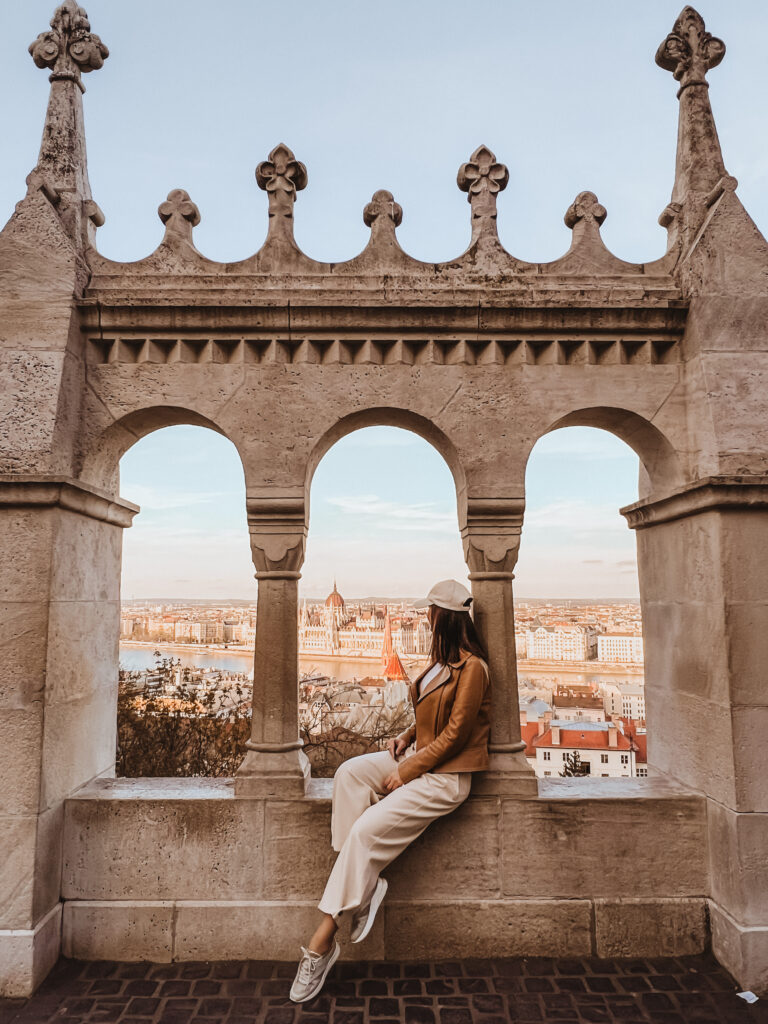
Perched high above the Danube, Castle Hill is where Budapest’s past comes alive.
This UNESCO World Heritage site is home to the Royal Palace, Matthias Church, and the dreamy Fisherman’s Bastion — whose white turrets offer postcard-perfect views of the city.
Wander its cobbled lanes, stop at a café tucked beneath a medieval archway, and you’ll understand why so many travelers call this one of Europe’s most magical neighborhoods.
5. The café and culinary scene Is thriving

From grand old coffee houses to creative bistros, Budapest has quietly become one of Central Europe’s best dining cities.
Morning might begin with a cappuccino under chandeliers at the iconic New York Café, followed by an afternoon tasting local wines from nearby regions like Tokaj or Eger.
Dinner can mean anything from market-to-table Hungarian dishes to Michelin-starred tasting menus. The best part? Budapest delivers fine dining without the price tag of Paris or Vienna.
6. Ruin Bars redefine nightlife

Nowhere blends history and creativity quite like Budapest’s ruin bars — atmospheric venues set inside abandoned pre-war buildings in the Jewish Quarter.
Each one feels like an art installation: mismatched furniture, graffiti-covered walls, and twinkling fairy lights.
Szimpla Kert is the original, but dozens of others now fill the district with a uniquely bohemian energy. Whether you’re sipping local craft beer or people-watching from a vintage sofa, these eclectic bars embody the city’s youthful, artistic side.
7. The Jewish Quarter is rich with history and soul
Budapest’s Jewish Quarter is one of the most compelling neighborhoods in the city — a mosaic of resilience, remembrance, and reinvention.
At its heart stands the magnificent Dohány Street Synagogue, the largest in Europe, surrounded by memorials and small museums that preserve the memory of Hungary’s Jewish community.
Yet the area has also evolved into a vibrant cultural hub, filled with cafés, galleries, and boutiques. It’s where old and new coexist — a reflection of Budapest itself.
8. The Street art and design scene Is flourishing
While its architecture may be historic, Budapest’s creative scene feels distinctly modern.
Walk through District VII and you’ll discover massive murals that transform once-derelict façades into outdoor galleries. Boutique shops, concept stores, and independent galleries showcase local designers redefining Hungarian style.
This blend of heritage and contemporary flair gives Budapest a distinctive edge compared to its Central European neighbors.
9. Shopping and markets mix old and new
Budapest’s shopping culture is as diverse as its neighborhoods.
You’ll find international labels on elegant Andrássy Avenue, artisan boutiques in Buda’s old quarters, and vibrant local markets selling everything from paprika to handmade ceramics.
For an authentic experience, wander the Central Market Hall — a beautiful 19th-century space where locals shop for spices and produce beneath vaulted iron beams.
10. It’s an exceptional value for luxury travel
Few European capitals offer as much sophistication for such incredible value.
Five-star hotels, thermal spas, fine dining, and private river cruises all come at a fraction of the cost of Western Europe.
Whether you’re planning a city break or adding Budapest to a longer European itinerary, the quality-to-cost ratio is one of the best in Europe — making it the perfect entry point into luxury travel done smartly.
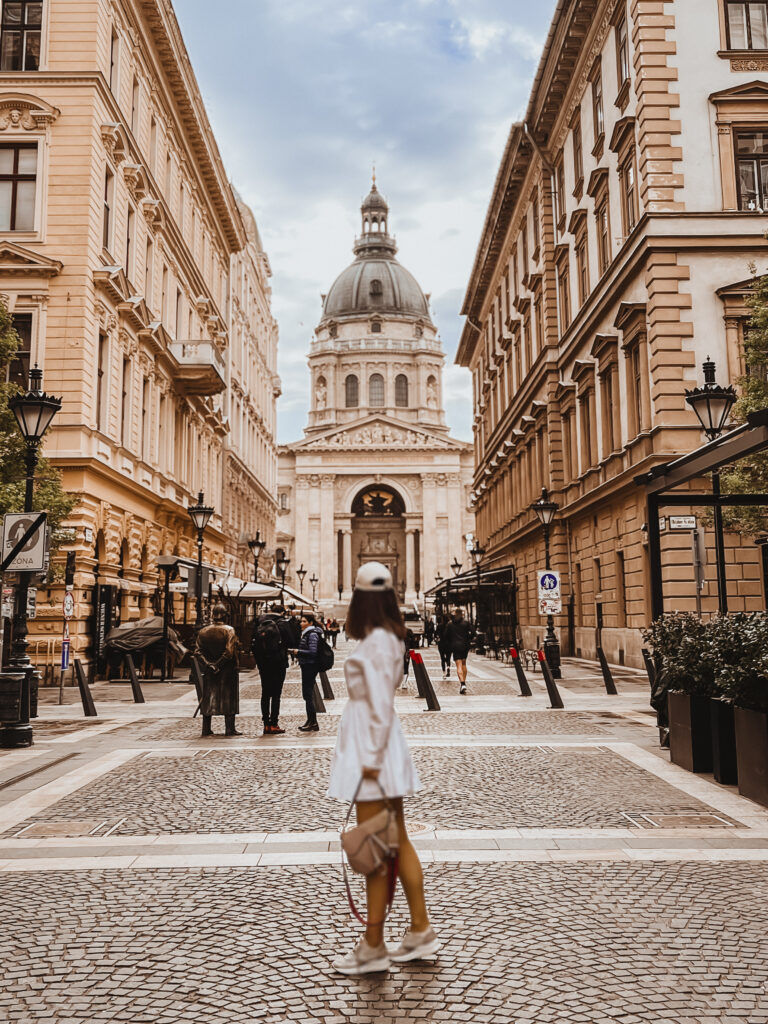
Budapest is one of those rare cities that reveals more beauty the longer you stay.
It has the grandeur of Vienna, the edge of Berlin, and the soulfulness of Paris — yet remains distinctly its own. From its historic baths to its modern ruin bars, from the shimmering Danube views to its timeless architecture, this is a city that rewards curiosity and lingers in memory.
So, is Budapest worth visiting?
Without a doubt. But don’t just visit — immerse yourself.
For a deeper dive into where to stay, dine, and unwind, explore the Budapest Luxury Travel Guide — your next step to experiencing Hungary’s capital in style.